Dry Skin
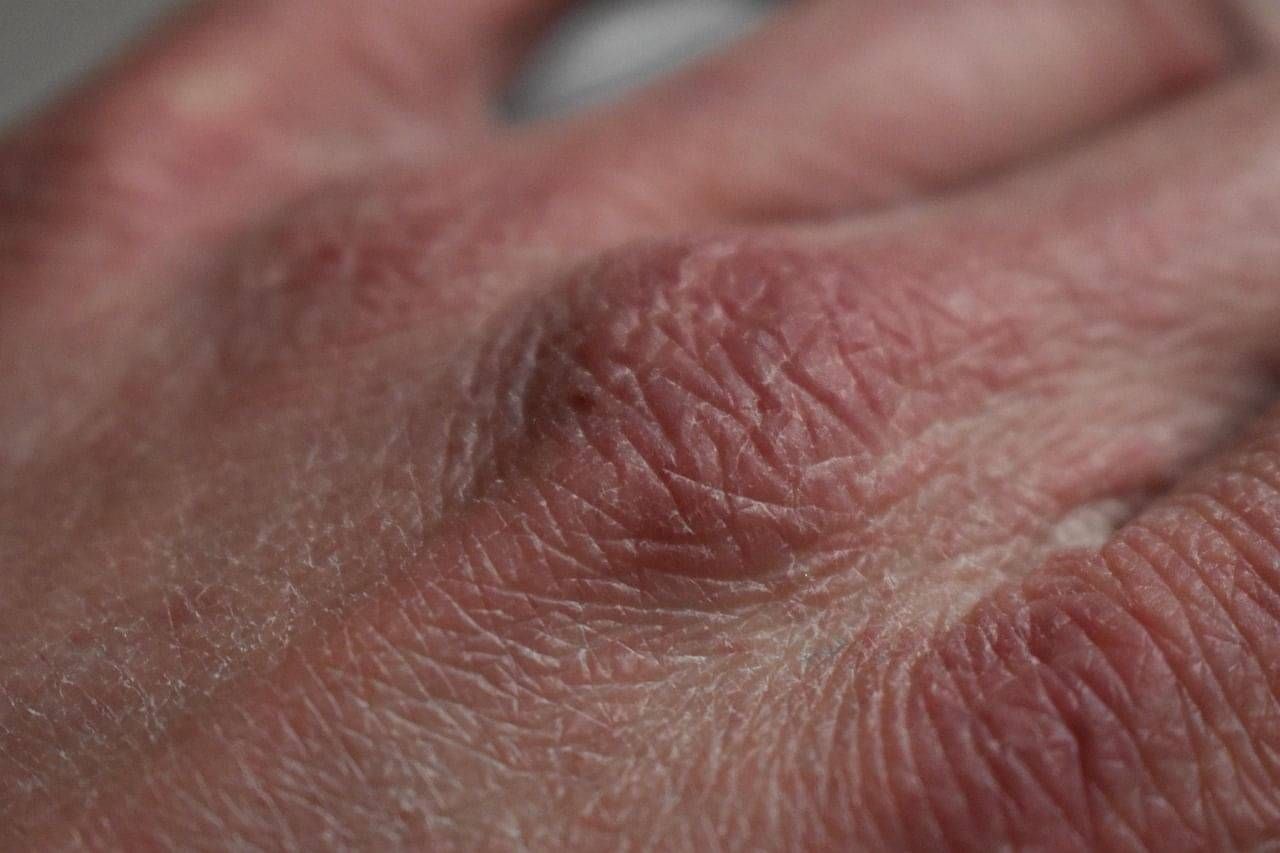
Dry chapped and rough skin occurs when the epidermis (the outer layer of the skin) lacks moisture and natural oils. This can cause the skin to become rough, itchy, or flaky.
There are ways to address dry skin and keep it hydrated and healthy.
Causes
Dry skin is due to water loss from the outer layer of skin. It might be caused by:
Central heating/heat pumps
Stress
Too much bathing or scrubbing. Taking long, hot showers or baths or scrubbing your skin too much can dry your skin. Bathing more than once a day can remove the natural oils from your skin too
Harsh soaps and detergents
Other skin conditions. People with skin conditions such as eczema or psoriasis are more likely to have dry skin
Medical treatments. Some people develop dry, thick skin after undergoing treatment for cancer, receiving dialysis or taking certain medications
Aging. As people age, the skin thins and produces less of the oils needed for the skin to retain water
Treatment and prevention
Apply moisturiser immediately after washing
Drink plenty of water to keep the skin hydrated from the inside out
Don’t use aggressive chemicals or fragrances on the skin
Don’t shower more than you need to and don’t have the temperature too hot
When the skin is hydrated, it appears plump and radiant. Hydration isn’t just important for the appearance of your skin - It also plays a crucial role in protecting your skin from external damage. Hydrated skin provides better protection against environmental stressors, such as pollution and UV rays.
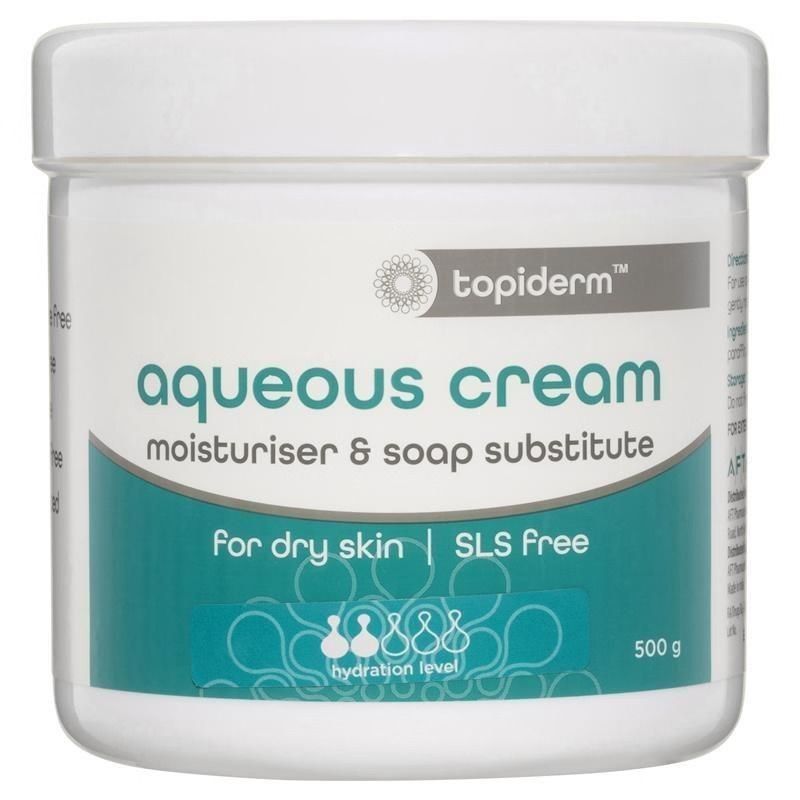
Treating Dry Skin with Topiderm
(Aqueous Cream)
Creams and lotions work by trapping existing moisture in your skin. To trap this much-needed moisture, you need to apply Topiderm Aqueous cream within a few minutes of drying off after a shower or bath, and after washing your face or hands.
It can also be applied throughout the day as a moisturiser and as a soap substitute. Put half to 1 teaspoonful in the palm of your hand and mix with a small amount of warm water.
Apply to wet skin and rinse, gently washing the area and leaving a moisturising film on the skin.
Complications
Dry skin is usually harmless. But when it's not cared for, dry skin may lead to:
Atopic dermatitis (eczema). If you're prone to develop this condition, excessive dryness can lead to activation of the disease, causing a rash and cracking skin
Infections. Dry skin may crack, allowing bacteria to enter, causing infections
These complications are most likely to occur when your skin's protective mechanisms are severely compromised. For example, severely dry skin can cause deep cracks or fissures, which can open and bleed, providing an avenue for invading bacteria.
You may need help from your primary care doctor or a doctor who specialises in skin conditions (dermatologist) if:
You've tried self-care steps but your signs and symptoms persist
Your skin becomes inflamed or painful
You develop dry, thick skin as a side effect of cancer treatment
Your condition makes you so uncomfortable that you're losing sleep or are distracted from your daily routines
You have open sores or infections from scratching
You have large areas of scaly or peeling skin
For more information you can visit:
https://www.mayoclinic.org/diseases-conditions/dry-skin/symptoms-causes/syc-20353885

